Overview and Publication Details
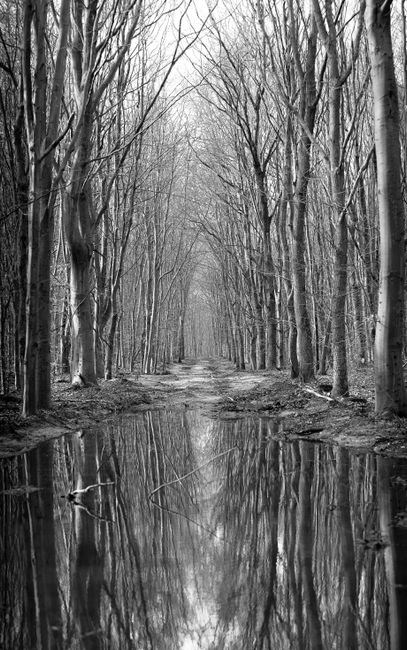
Mary Oliver’s “In Blackwater Woods” debuted in the 1997 collection American Primitive․ The poem, famed for vivid forest imagery, is widely reproduced online; a PDF can be found via library databases and authorized literary sites․ It remains a popular study text․
Brief Synopsis of “In Blackwater Woods”
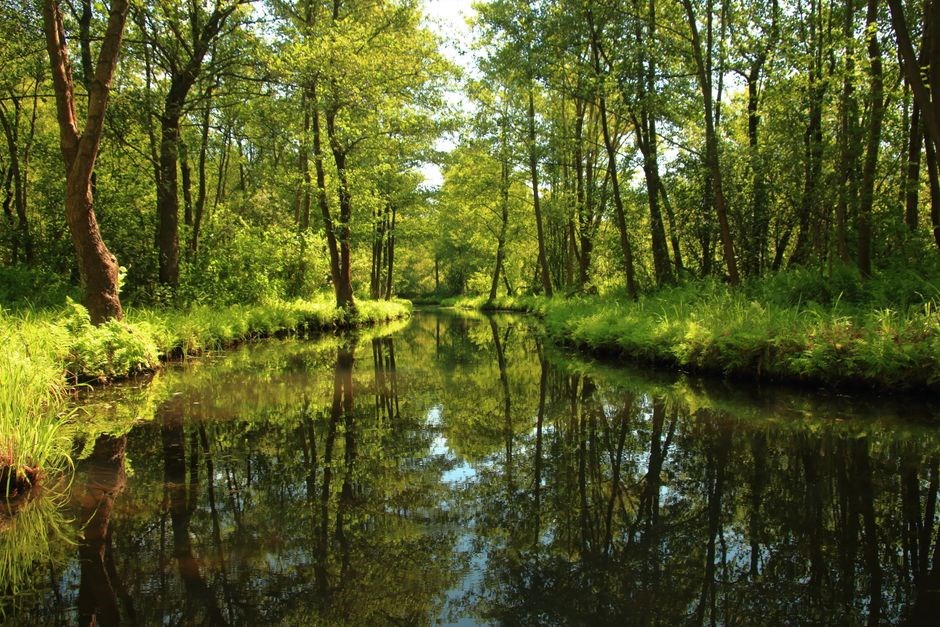
In Mary Oliver’s poem “In Blackwater Woods,” the speaker walks through a quiet, damp forest at twilight, observing the trees as they “turn their own bodies into pillars of light․” The verse captures the sudden, luminous transformation of ordinary trunks, the sweet scent of cinnamon that seems to rise from the earth, and the long, thin cattails that “burst and float away” like fleeting thoughts․ Oliver uses these natural details to illustrate a moment of profound letting‑go: the woods become a space where the ordinary is made extraordinary, where the impermanent flickers of light and scent remind the reader of life’s continual cycle of decay and renewal․ The poem’s concise, imagistic language invites readers to pause, breathe, and sense the quiet reverence that comes from witnessing nature’s subtle miracles․ By focusing on the sensory experience—visual pillars, aromatic spice, and the soft rustle of water‑logged reeds—Oliver creates a meditation on presence, transience, and the quiet power of the natural world to offer solace and insight․ The poem invites a contemplative pause, urging readers to notice how light can emerge from darkness and how scent can anchor memory․ Its compact lines echo the rhythm of a heartbeat, each image a breath that steadies the mind․ Readers often report a sense of calm and renewed awareness after rereading, as the woods become a personal sanctuary for reflection․ Its steady rhythm feels like a forest heartbeat,each line a pulse that steadies the reader’s wandering deep mind․
Anthology Placement and Original Publication
Mary Oliver’s poem “In Blackwater Woods” first appeared in the 1997 collection American Primitive, published by Beacon Press․ The anthology gathered many of Oliver’s nature‑focused works, and this particular poem was originally printed on page 23, positioned among other meditations on woods, water, and seasonal change․ The poem’s debut in the book was accompanied by a brief editorial note that highlighted Oliver’s skill at turning ordinary forest scenes into moments of spiritual insight․ Since its print debut, “In Blackwater Woods” has been reprinted in numerous anthologies, scholarly editions, and online literary archives, often provided as a PDF through university libraries․ The original copyright belongs to Beacon Press, and the poem remains under standard literary protection, meaning that any PDF distribution must respect the publisher’s licensing terms․ Researchers can locate the first edition through WorldCat or the Library of Congress catalog, where the ISBN 978‑0807025666 identifies the exact volume․ Many academic institutions now offer a digitized copy in their electronic collections, allowing students to download a PDF for study under fair‑use guidelines, provided the use is non‑commercial․ The poem’s placement in American Primitive underscores Oliver’s early commitment to exploring the intersection of the natural world and inner contemplation, a theme that would define her later collections and cement her reputation as a leading voice in contemporary American poetry․
Themes and Symbolic Interpretation
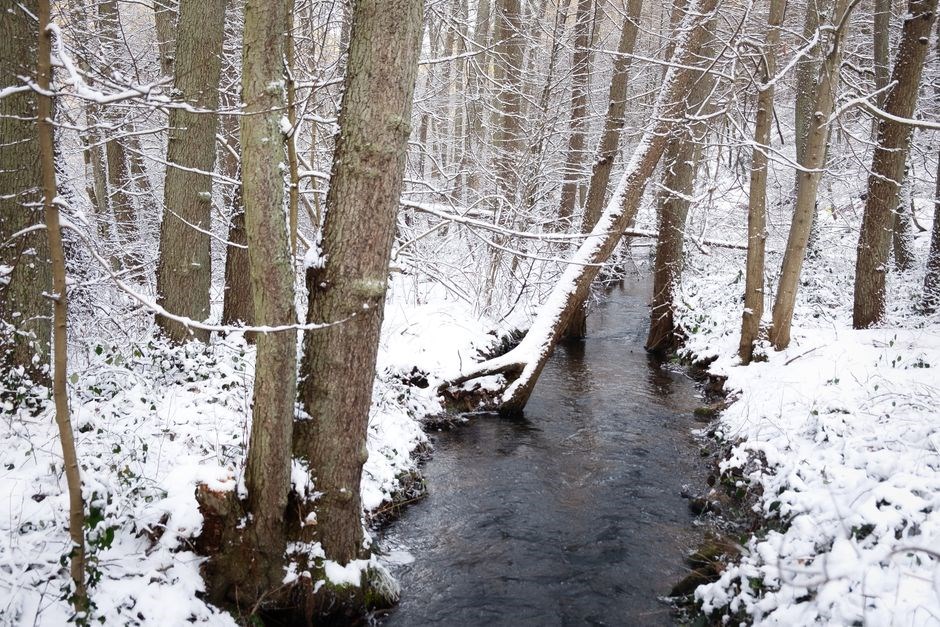
Oliver’s “In Blackwater Woods” weaves nature and transience, portraying trees as “pillars of light” and cattails as fleeting breath․ The poem suggests renewal through decay, inviting readers to sense the forest’s quiet spirituality and the lasting glow of existence․
Nature, Transience, and Renewal
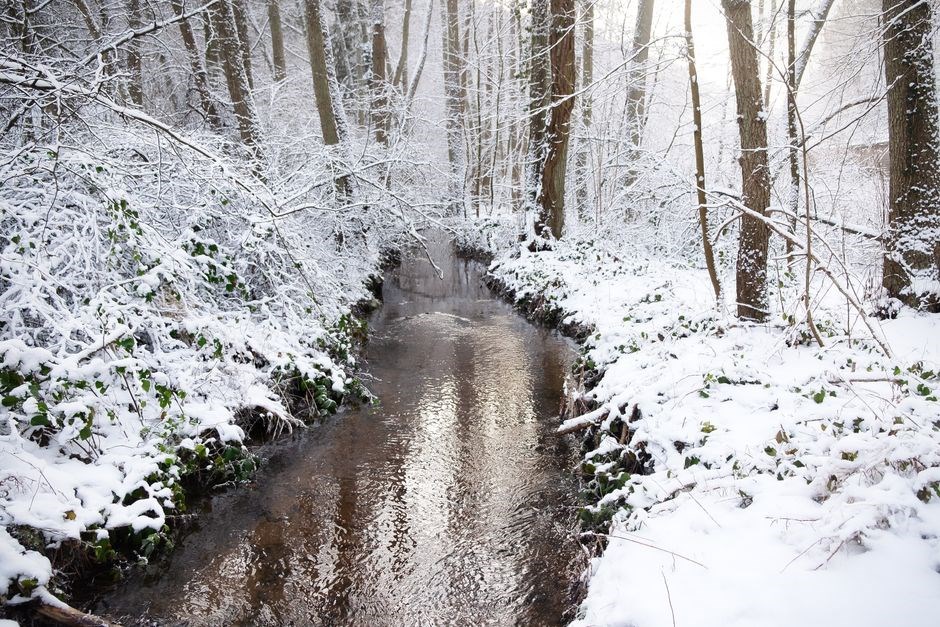
Mary Oliver’s “In Blackwater Woods” captures a moment where the forest becomes a living metaphor for impermanence and rebirth; The poem opens with the striking image, “Look, the trees are turning their own bodies into pillars of light,” suggesting that even as trunks age they transform into luminous guides․ Oliver adds that the trees “are giving off the rich fragrance of cinnamon and fulfillment,” a sensory detail that ties the physical decay of wood to a lingering, sweet essence that persists beyond visible form․ The “long tapers of cattails are bursting and floating away,” a visual of delicate shoots releasing spores and drifting, reinforcing the idea that life continuously sheds and renews itself․ By juxtaposing solid, enduring trunks with fleeting cattail stems, Oliver illustrates the tension between permanence and transience․ The forest’s cycle—roots deepening, leaves falling, seeds scattering—mirrors human experience of loss and renewal․ Oliver’s language invites readers to perceive death not as an end but as a transformation that fuels new growth․ The poem’s quiet reverence for natural processes encourages a meditative acceptance of change, positioning the woods as a sanctuary where every ending is a prelude to another beginning․ In the hush of the blackwater, the subtle ripple of water over stones mirrors the poem’s cadence, reminding us that each ripple eventually settles, yet the surface remains ever‑ready to receive new reflections, a perpetual cycle that underscores the poem’s quiet optimism․ It endures․ Always․
Spiritual Resonance and Philosophical Insight
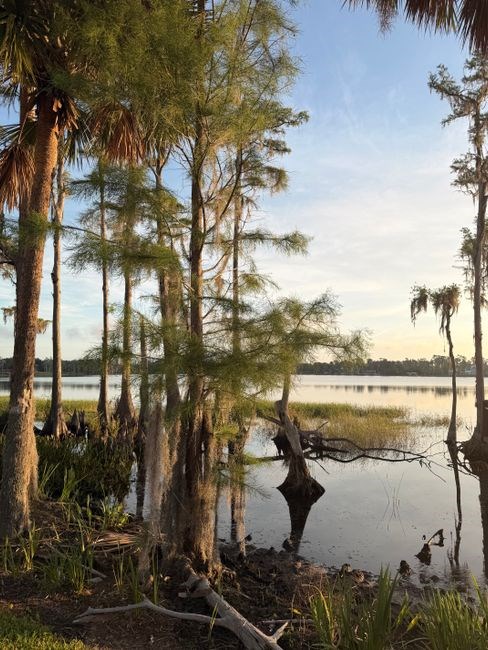
Oliver’s verses in “In Blackwater Woods” echo a quiet mysticism that invites readers to sense the sacred within ordinary foliage․ The opening command, “Look, the trees are turning their own bodies into pillars of light,” transforms a simple observation into a revelation of divine presence, suggesting that each tree becomes a luminous altar․ By noting the “rich fragrance of cinnamon and fulfillment,” the poem links scent to spiritual nourishment, implying that the forest offers a balm for the soul․ The “long tapers of cattails … bursting and floating away” symbolize fleeting thoughts released into a larger consciousness, while the blackwater itself acts as a reflective mirror, absorbing and returning light․ Oliver’s language refrains from overt doctrine; instead, it cultivates an inner stillness where the reader can contemplate mortality, impermanence, and the possibility of renewal without fear․ The poem’s rhythm, gentle and unhurried, mirrors the breathing of a meditative practice, reinforcing the idea that insight arises not through analysis but through attentive presence․ In this way, the work becomes a portable meditation, encouraging a philosophical stance that sees the natural world as a teacher of humility, gratitude, and the endless cycle of becoming․ The hush of blackwater reflects the poem’s stillness, inviting each reader to sit beside the flowing stream, listen to leaf rustle, and recognize that the same breath animating the woods also animates our fleeting consciousness within us forever․
Form, Structure, and Poetic Language
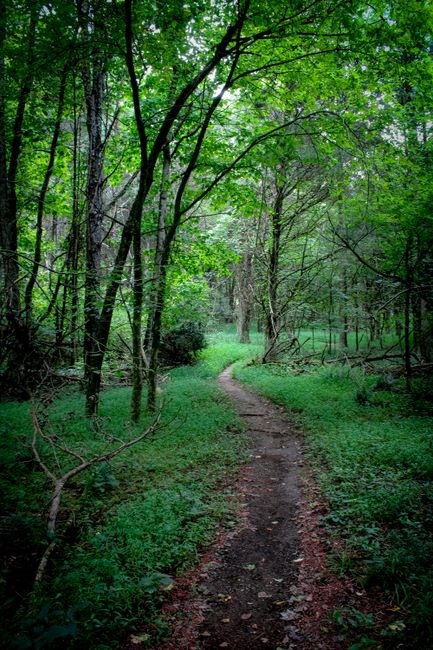
Oliver writes in free verse, using short, crisp lines that echo the forest’s pulse․ Enjambment carries images of “pillars of light” and “cinnamon fragrance” across lines, while precise diction creates vivid, tactile symbolism that mirrors natural rhythm․ echoing․!
Metrical Pattern and Rhythm
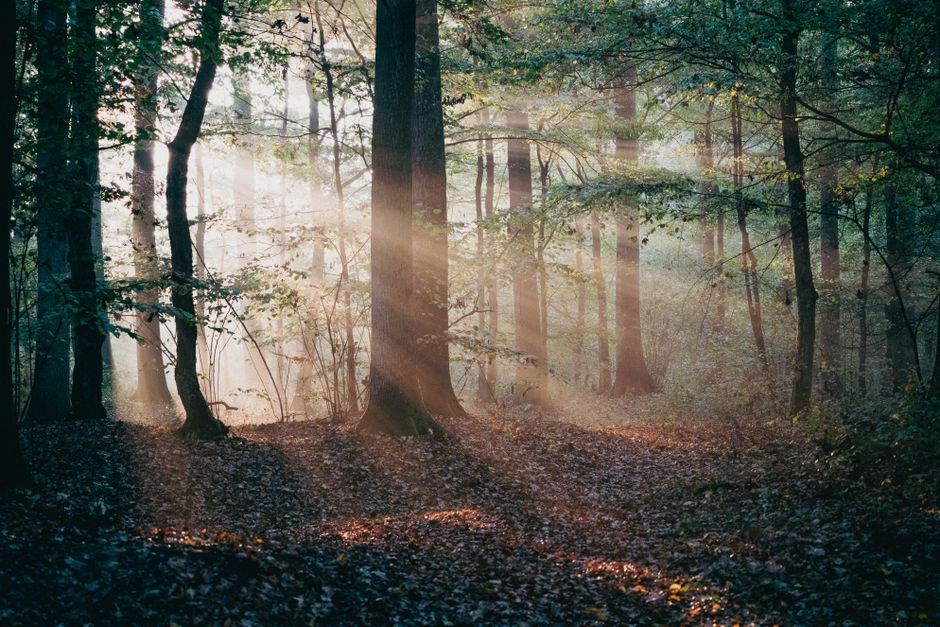
Mary Oliver’s “In Blackwater Woods” resists conventional meter, opting instead for a flexible free‑verse framework that mirrors the organic pulse of the woodland scene․ Each line is deliberately brief, often ranging from three to seven words, which creates a staccato beat that propels the reader forward like a wind through the trees․ The poem’s rhythm emerges from the natural cadence of spoken language rather than a fixed foot; Oliver employs subtle variations of iambic movement, occasional trochees, and occasional spondees to accentuate key images such as “pillars of light” and “cinnamon fragrance․” Enjambment is a dominant device, allowing thoughts to spill over line breaks and generate a sense of continuity that reflects the seamless flow of water and foliage․ Internal pauses, marked by commas and strategic caesuras, provide moments of breath that echo the hush of a forest clearing․ The lack of a strict metrical pattern does not imply randomness; instead, Oliver crafts a rhythmic contour that rises and falls in tandem with the poem’s thematic arc, moving from observation of the trees to a contemplative meditation on impermanence․ This measured yet fluid rhythm reinforces the poem’s visual texture, making the reader feel the rustle of leaves and the gentle sway of cattails as if they were part of the same living stanza․ The deliberate line breaks echo the ebb and flow of tide, while the cadence resembles a quiet heartbeat that steadies the reader’s pulse as the woods breathe in quiet harmony and quiet stillness lingers․
Imagery, Diction, and Symbolic Devices
Oliver’s language in “In Blackwater Woods” paints the forest with luminous precision․ The opening image, “Look, the trees are turning their own bodies into pillars of light,” uses the verb “turning” to suggest both physical transformation and a spiritual alchemy, turning wood into illumination․ The diction is economical yet rich; words such as “cinnamon” and “fulfillment” evoke scent and satisfaction, grounding the ethereal scene in sensory detail․ Cattails are described as “long tapers … bursting and floating away,” a visual metaphor that captures both growth and release, reinforcing the poem’s meditation on impermanence․ Repetition of the imperative “Look” creates an urgent invitation to witness, while the sparse line breaks function as pauses that mimic the hush of a woods at dusk․ Symbolic devices include the pillar, a classic emblem of support and connection between earth and sky, and light, representing insight and renewal․ The fragrance of cinnamon, a spice associated with warmth and memory, becomes a conduit for emotional resonance, suggesting that the forest holds hidden histories․ By intertwining tactile sensations with visual motifs, Oliver blurs the boundary between observer and environment, allowing the reader to feel the bark, inhale the spice, and sense the fleeting motion of water‑borne plants․ The poem’s imagery thus operates on multiple registers, delivering a layered experience that is both immediate and contemplative․ Each line glows, inviting quiet reflection and subtle keen sense․!
Accessing the PDF Legally
Readers can obtain a legitimate PDF of Mary Oliver’s “In Blackwater Woods” through university library portals, public library e‑resource collections, or licensed poetry sites such as Poetry Foundation and JSTOR․ These sources respect copyright and provide secure access․!!!
Authorized Sources and Library Collections
Mary Oliver’s poem “In Blackwater Woods” is widely available through reputable digital collections that respect the poet’s copyright․ Most academic institutions subscribe to databases such as JSTOR,Project MUSE, and EBSCOhost, where the 1997 anthology American Primitive can be accessed in full‑text PDF format․ Students and faculty can log in with their university credentials to download the poem for scholarly use․ Many public libraries participate in interlibrary loan programs and maintain electronic e‑book platforms like OverDrive and Hoopla; a search for “American Primitive” or the poem title often yields a downloadable PDF that can be read on a computer, tablet, or e‑reader․ The Poetry Foundation’s website also hosts a licensed version of the poem, providing a clean, web‑based display that can be printed as a PDF for personal study, provided the user follows the site’s terms of service․ Additionally, the Internet Archive has a scanned copy of the original print edition, which is available under a controlled digital lending model that limits simultaneous access but remains a legal avenue for researchers․ For those without institutional affiliation, a local library card typically grants remote access to these resources, and librarians can guide patrons to the correct catalog entries․ By using these authorized channels, readers ensure they are supporting the poet’s estate while obtaining a high‑quality, accurately formatted PDF of “In Blackwater Woods․” Remote VPN access is often offered for all!․
Copyright Status and Fair Use Guidelines
Mary Oliver’s “In Blackwater Woods” remains under full copyright protection, as the poem first appeared in the 1997 collection American Primitive and the author’s estate retains exclusive rights for the life of the author plus seventy years․ Consequently, any PDF distribution that is not authorized by the publisher or the poet’s representatives constitutes infringement․ Readers seeking a legal copy should therefore rely on licensed platforms such as university library e‑book services, the Poetry Foundation’s official site, or the Internet Archive’s controlled‑digital‑lending program, each of which offers a view‑only or limited‑download option that respects the copyright holder․ Under U․S․ law, limited excerpts of the poem may be reproduced without permission when the use satisfies the four factors of fair use: purpose and character of the use (non‑commercial, educational, or transformative), nature of the copyrighted work (a creative literary piece), amount and substantiality (no more than a few lines or a short stanza for commentary), and effect upon the market (the excerpt must not replace the need to purchase the anthology)․ In classroom settings, instructors may share a single stanza on a slide, assign a short passage for analysis, or include the poem in a syllabus link that directs students to the authorized source for academic use․ OK․ When in doubt, educators and researchers should consult their institution’s copyright office or seek permission from the rights holder to avoid accidental infringement․
Educational and Multimedia Resources
Students can access a recorded reading of “In Blackwater Woods” on the Poetry Foundation site, view analysis videos on YouTube, and download scholarly essays from JSTOR․ Many teachers share lesson plans through the Academy of American Poets․ No illegal PDF sharing․
Critical Essays, Analyses, and Teaching Guides
Scholars and educators frequently cite “In Blackwater Woods” when constructing lesson plans that explore ecological perception and contemplative voice․ The Poetry Foundation provides a free audio recording and a concise commentary that highlights Oliver’s use of natural metaphor․ On JSTOR, a peer‑reviewed essay by Jim Magaw examines the poem’s tension between transience and permanence, offering classroom discussion questions and a suggested close‑reading worksheet․ The Academy of American Poets hosts a downloadable teaching guide that aligns the poem with Common Core standards, includes a PDF of the full text for classroom use, and proposes interdisciplinary activities linking biology and literature․ University English departments often post PDF excerpts under fair‑use policy, accompanied by analytical prompts that ask students to trace the shift from visual description to philosophical reflection․ YouTube channels such as “Poetry in Motion” feature narrated performances paired with visual slides, while the “LitHub” blog publishes a series of critical responses that compare Oliver’s work to earlier nature poets, providing citation‑ready excerpts for essays․ Many high‑school curricula incorporate the poem into units on environmental ethics, using the provided PDF to annotate line‑by‑line symbolism․ These resources collectively enable teachers to scaffold interpretive skills, encourage textual evidence gathering, and foster appreciation for Oliver’s lyrical precision․ Worksheets aid close reading tasks․!
Audio Recordings, Readings, and Comparative Poems
Listeners can encounter Mary Oliver’s “In Blackwater Woods” through several reputable audio sources․ The Poetry Foundation hosts a free, high‑quality recording narrated by a professional voice artist, allowing the poem’s cadence and natural imagery to be experienced aurally․ A related article on the Tolstoy Therapy website recommends the piece as a meditation aid and embeds a streaming player that loops the reading for reflective practice․ On YouTube, the “Poetry in Motion” channel presents a visual‑rich performance that synchronizes Oliver’s verses with footage of actual black‑water wetlands, enhancing the sensory connection for viewers․ Academic institutions often provide PDF excerpts under fair‑use guidelines accompanied by downloadable MP3 files for classroom analysis; these files are listed in university library catalogs and can be accessed with a student login․ Comparative listening exercises pair Oliver’s work with recordings of William Wordsworth’s “Lines Written in Early Spring” and Gary Snyder’s “Riprap” to illustrate differing approaches to nature‑centered poetics․ Each comparative track is accompanied by a brief scholarly commentary that highlights thematic overlaps such as transience, renewal, and the spiritual resonance of landscape․ Educators can assign side‑by‑side listening, prompting students to note variations in meter, diction, and tonal mood․ These recordings also appear in curated playlists on literary streaming services, granting scholars access for study and deep reflection․․