
Myofascial Release (MFR) is a hands-on therapy employing gentle, sustained pressure to alleviate fascial restrictions, offering a pathway to pain reduction and improved movement.
What is Fascia?
Fascia is the intricate, three-dimensional web of connective tissue that permeates the entire body, enveloping muscles, bones, nerves, and organs. It’s not merely a wrapping; it’s a continuous system influencing posture, movement, and overall structural integrity. Think of it like a bodysuit, extending from head to toe, without interruption.
This tissue can become restricted due to injury, inflammation, stress, or inactivity, leading to pain and limited range of motion. These restrictions can develop “trigger points” within the fascia, causing localized discomfort and referred pain patterns. Understanding fascia’s role is crucial, as it directly impacts the effectiveness of Myofascial Release (MFR) techniques, aiming to restore its pliability and function.
Understanding Myofascial Pain Syndrome
Myofascial Pain Syndrome is a chronic condition characterized by widespread musculoskeletal pain, often accompanied by trigger points – sensitive knots within taut bands of muscle. These points elicit localized pain and can refer discomfort to other areas, mimicking other conditions. Symptoms include deep, aching muscle pain that doesn’t subside, and tenderness upon touch.
It’s a long-term pain state impacting muscle and the surrounding fascia. While research specifically testing Myofascial Release (MFR) for this syndrome is limited due to technique variability, MFR aims to address the underlying fascial restrictions contributing to trigger point formation and pain cycles. Effective management often involves a multi-faceted approach, with MFR playing a key role.

Myofascial Release Techniques: An Overview
Myofascial Release utilizes gentle, sustained pressure to release tension in the fascia – the connective tissue surrounding muscles – restoring optimal movement patterns.
Gentle, Sustained Pressure Application
Gentle, sustained pressure is the cornerstone of Myofascial Release (MFR). Therapists apply slow, deliberate force to fascial restrictions, waiting for a release or softening to occur. This isn’t about deep tissue massage; it’s a more subtle approach, allowing the fascia to “let go” at its own pace.

The pressure is held for several minutes, enabling the body to respond and release accumulated tension. This technique aims to rehydrate the fascia and restore its natural length and flexibility. It’s a patient-centered method, guided by the body’s response rather than a predetermined protocol. The goal is symmetry and tension balance, addressing the root cause of discomfort, not just the symptoms.
This gentle approach minimizes trauma to the tissues, making it suitable for a wide range of individuals and conditions.
Variations in Techniques – Therapist Specificity
Myofascial Release (MFR) isn’t a one-size-fits-all therapy; techniques significantly vary between practitioners. While the core principle of gentle, sustained pressure remains constant, the specific application and approach are highly individualized. This stems from differing training backgrounds and philosophies among therapists.
Some practitioners may focus on specific fascial lines, while others adopt a more holistic, whole-body approach. Advanced Myofascial Release (AMFR) represents a more specialized skillset. Due to this variability, research specifically testing MFR is limited, as techniques aren’t standardized.
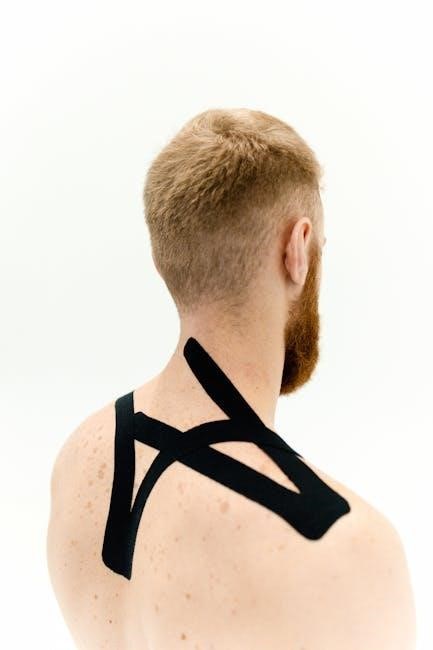
Finding a skilled and experienced therapist is crucial, as their expertise directly impacts treatment effectiveness. Comprehensive guides and PDF resources can offer foundational knowledge, but practical application requires professional training.

Self-Myofascial Release (SMR)
Self-Myofascial Release (SMR) empowers individuals to utilize tools for independent fascial release, reducing stress and enhancing well-being through regular practice.
Tools for Self-Release
Numerous tools facilitate Self-Myofascial Release (SMR), enabling individuals to address fascial restrictions independently. Foam rollers are perhaps the most widely recognized, offering broad surface area application for larger muscle groups like the back and legs. Lacrosse balls and tennis balls provide more focused pressure, ideal for targeting trigger points and smaller muscle areas.
Massage sticks offer another versatile option, allowing for controlled rolling along muscles. PVC pipes, readily available and inexpensive, can also serve as effective SMR tools. Many comprehensive guides, often available in PDF format, detail proper usage techniques for each tool, emphasizing correct body positioning and pressure application. These resources often include illustrated protocols for various muscle groups, ensuring safe and effective self-treatment. Selecting the appropriate tool depends on the targeted area and individual comfort levels.
Benefits of Regular SMR Practice

Consistent Self-Myofascial Release (SMR) yields a multitude of benefits, extending beyond simple pain relief. Regular practice can significantly improve flexibility and range of motion, enhancing athletic performance and everyday functional movements. SMR helps reduce muscle soreness and tension, promoting faster recovery after exercise.
Furthermore, it can contribute to improved posture and body alignment by releasing fascial restrictions that contribute to imbalances. Many PDF guides on myofascial release techniques emphasize the importance of symmetry and tension balance. SMR can also reduce stress and promote relaxation, as fascial restrictions often contribute to feelings of tightness and discomfort. Integrating SMR into a routine, guided by detailed protocols found in downloadable resources, supports overall well-being and movement efficiency.

Professional Myofascial Release Therapy
Professional MFR utilizes advanced techniques, like AMFR, targeting the fascia—connective tissue surrounding muscles—to restore balance and alleviate chronic pain patterns.
Advanced Myofascial Release (AMFR)
Advanced Myofascial Release (AMFR) represents a sophisticated manual therapy approach, delving deeper into the complexities of the fascial system. This technique isn’t merely about applying pressure; it’s a highly skilled process requiring extensive training and a nuanced understanding of anatomy and biomechanics. AMFR practitioners focus on identifying and releasing core restrictions within the fascia – the connective tissue enveloping muscles, organs, and nerves – that contribute to widespread pain and dysfunction.
Unlike more superficial techniques, AMFR aims to address the root cause of myofascial pain, rather than simply treating symptoms. Therapists utilize a variety of specialized skills to engage the fascia, encouraging it to lengthen and rehydrate, restoring optimal movement and reducing tension. Detailed protocols, often found within comprehensive MFR guides in PDF format, emphasize a whole-body approach, recognizing the interconnectedness of the fascial network.
Manual Therapy Approach
Myofascial Release (MFR), as a manual therapy, distinguishes itself through its gentle yet profound application. Unlike forceful manipulations, MFR employs sustained pressure to release restrictions within the fascia – the body’s connective tissue. Therapists utilize their hands to feel for areas of tension and restriction, then apply slow, deliberate pressure to encourage the fascia to lengthen and rehydrate.
This approach prioritizes restoring symmetry and balance to the body’s tension patterns. Detailed PDF resources on MFR techniques emphasize the importance of a holistic assessment, considering how restrictions in one area can impact distant regions. The goal isn’t simply to alleviate pain, but to restore optimal movement and function by addressing the underlying fascial imbalances. This gentle, hands-on method offers a non-invasive pathway to improved well-being.

Conditions Treated with Myofascial Release
MFR effectively addresses conditions like back pain, neck pain, and Thoracic Outlet Syndrome by releasing fascial restrictions impacting muscles and nerves.
Back Pain and Myofascial Release
Myofascial Release (MFR) presents a promising approach to managing back pain, often stemming from restrictions within the fascia – the connective tissue network enveloping muscles. These restrictions can create trigger points and referred pain patterns, significantly impacting mobility and quality of life. MFR techniques aim to release these tightened fascial bands, restoring optimal muscle length and reducing pain signals.
The therapy focuses on addressing the underlying causes of back discomfort, rather than solely treating the symptoms. By restoring symmetry and balance to the myofascial system, MFR can alleviate chronic back pain and improve postural alignment; Detailed protocols, often found in comprehensive MFR guides in PDF format, outline specific techniques for targeting various back muscle groups and fascial layers. These resources emphasize a gentle, sustained pressure application to facilitate release and promote healing.
Neck Pain Relief through MFR
Myofascial Release (MFR) offers a gentle yet effective method for alleviating neck pain, frequently linked to fascial restrictions in the neck and shoulder region. These restrictions can contribute to muscle tension, limited range of motion, and the development of trigger points, radiating pain to the head and upper back. MFR techniques focus on releasing these tightened fascial bands, restoring proper muscle function and reducing discomfort.
PDF guides detailing MFR protocols often showcase specific techniques for addressing common neck pain patterns. These resources emphasize sustained pressure application to key muscle groups like the trapezius, sternocleidomastoid, and suboccipitals. By restoring symmetry and balance to the myofascial system, MFR can improve posture, reduce muscle spasms, and provide lasting neck pain relief. The goal is to release restrictions and allow the body to return to its natural alignment.
Thoracic Outlet Syndrome & MFR
Thoracic Outlet Syndrome (TOS), a condition affecting the space between your collarbone and first rib, can benefit significantly from Myofascial Release (MFR). Often, TOS involves compression of nerves and blood vessels, leading to pain, numbness, and tingling in the arm and hand. MFR addresses the underlying fascial restrictions contributing to this compression.
PDF resources on MFR for TOS highlight techniques targeting the scalenes, pectoralis muscles, and surrounding fascia. These protocols emphasize gentle, sustained pressure to release tension and restore optimal space within the thoracic outlet. By addressing myofascial imbalances, MFR aims to improve nerve and vascular function, reducing symptoms and enhancing quality of life. Detailed guides often include specific positioning and pressure application instructions for effective treatment, promoting better posture and reducing muscle strain.

Resources for Further Learning (PDF Focus)
Comprehensive MFR guides in PDF format offer detailed protocols and fundamentals, providing an excellent breakdown of techniques for both therapists and individuals.
Finding Comprehensive MFR Guides in PDF Format
Locating robust Myofascial Release (MFR) resources in PDF format requires a targeted search, as the variability in techniques impacts standardized documentation. ClinicalKey and similar platforms offer access to relevant publications, including explorations of myofascial pain syndrome and trigger point therapies.
Dedicated books, often available as PDFs, provide a detailed breakdown of MFR fundamentals, explaining the basics with precision and offering meticulously crafted protocols. These guides are invaluable for understanding the nuances of fascial manipulation and its application to various conditions.
Searching for “myofascial release techniques pdf” will yield numerous results, but prioritizing sources from reputable medical or therapeutic publishers ensures accuracy and quality. Remember to evaluate the author’s credentials and the publication date for relevance.
Detailed Protocols and Fundamentals in PDF Books
PDF books dedicated to Myofascial Release (MFR) often excel at presenting detailed protocols and foundational knowledge. These resources frequently break down the complexities of fascial anatomy and physiology, providing a solid understanding of how restrictions develop and impact the body.
Expect to find step-by-step guides for various MFR techniques, illustrated with diagrams or images to enhance comprehension. A strong book will emphasize the importance of symmetry and tension balance, core principles in effective MFR practice.
Look for texts that cover assessment methods for identifying myofascial restrictions and offer tailored treatment plans for common conditions like back and neck pain. These comprehensive guides are essential for both therapists and individuals seeking self-release techniques.

Effectiveness and Research
Research on MFR is limited due to technique variability; studies focusing on symmetry and tension balance offer insights into its potential benefits for pain relief.
Limited Specific Research on MFR
Despite its widespread use, robust, specific research validating the effectiveness of myofascial release therapy remains surprisingly scarce. A key challenge lies in the inherent variability of MFR techniques themselves. Different therapists employ diverse approaches, making standardized study protocols difficult to establish and replicate consistently. This lack of uniformity complicates efforts to draw definitive conclusions about its efficacy.
Many studies investigate related manual therapies, but few isolate and specifically test myofascial release as a distinct intervention. Existing research often focuses on broader outcomes like pain reduction and improved function, rather than pinpointing the unique contributions of MFR. Further, the subjective nature of pain and the individual response to treatment add layers of complexity to research endeavors in this field.
Focus on Symmetry and Tension Balance
A core principle underpinning myofascial release is the restoration of symmetrical tension patterns throughout the body. Therapists aim to identify and address areas of fascial restriction that disrupt this balance, believing that imbalances contribute to pain and dysfunction. The approach isn’t solely about eliminating pain at a specific site, but rather about addressing the interconnectedness of the fascial network.
Myofascial release seeks to gently guide the body towards a more balanced state, where muscles and tissues are no longer subjected to undue strain. This holistic perspective emphasizes the importance of assessing the entire body, not just the area of complaint, to uncover the root causes of discomfort and restore optimal movement patterns.